

There was a small, technical milestone in spring 2026 that says something larger about who is qualified to work on your roof. It will not make headlines, but it is a useful lens on contractor credibility in the GTA.
The change concerns the people who design, inspect, and sign off on building work, and it filters down to the trades through the standards they are held to. For a homeowner, it is a reminder that roofing is a regulated trade with real qualifications behind it.
The quiet milestone
As of late March 2026, the province’s building-code certification exams switched to the 2024 edition, and the restructured regulation now adopts the National Building Code of Canada 2020, with Ontario-specific amendments layered on top.
In plainer terms, the officials and designers who administer the building system are now being tested against the current code, not a decade-old one. The whole apparatus has formally moved forward to the newer rulebook.
Why a homeowner should care
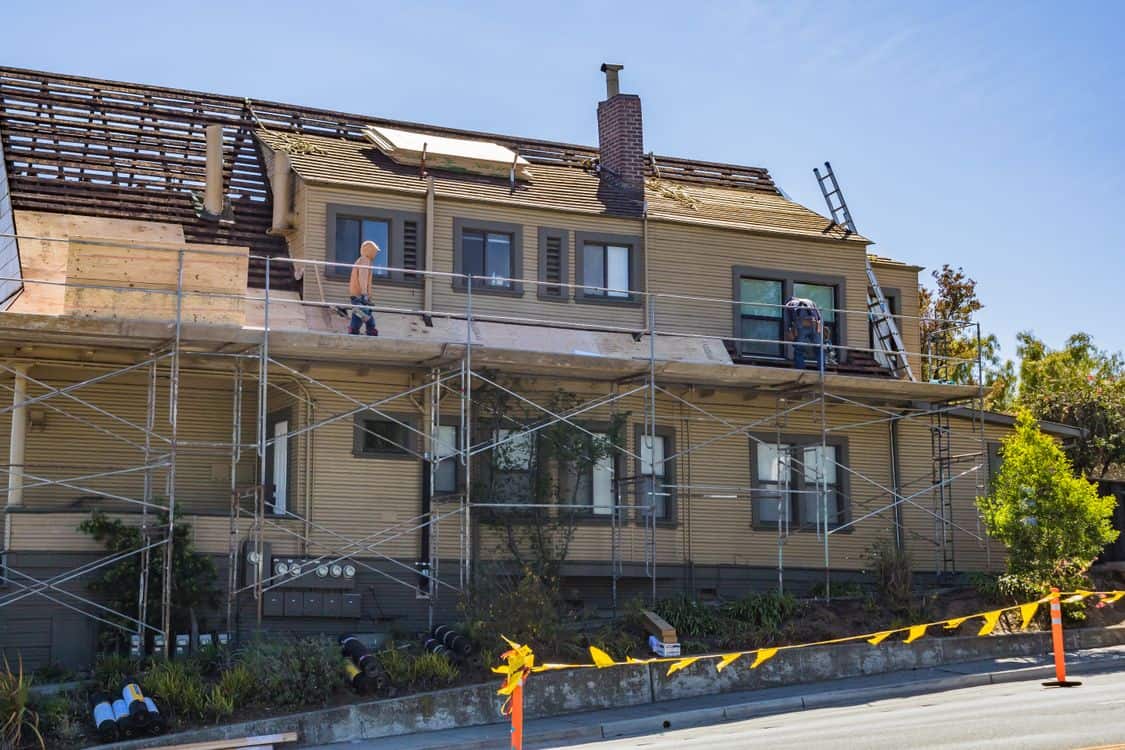
The exam change is aimed at professionals, but it shapes the environment a roofing contractor works in. A roofer operating today is building inside a system that has updated its standards, its documentation expectations, and its inspection criteria.
That makes a contractor’s comfort with the permit and inspection process a genuine signal of quality. A roofer who pulls permits without complaint, passes inspection cleanly, and keeps proper records is one working inside the system rather than around it. The ones who treat permits as an obstacle to dodge are telling you something too.
The credibility markers that follow from it
Code currency is one of several things that separate an established roofer from a fly-by-night crew, and the others are worth restating because they travel together. Proper liability insurance protects you if something goes wrong on your property. A current WSIB clearance certificate means the workers on your roof are covered, so a workplace injury does not become your problem.
Written warranties on both materials and workmanship give you recourse if the roof fails early. And a real business address and verifiable history mean the company will still exist if you need to call it in five years. The firms that survive that kind of scrutiny tend to carry the full set, which is exactly why the checklist is worth running before you sign.
A regulated trade, not a handshake
The exam switch is ultimately a small reminder of a big point: roofing is a licensed, regulated, inspected trade, not a cash-and-handshake business done off the back of a truck. The contractors who operate that way, with insurance, clearances, permits, and warranties, are the ones a homeowner can hold accountable.
So when you are comparing quotes, look past the price to the paperwork. A roofer who is current on the code, properly insured, and willing to put warranties in writing is offering something the lowest bidder usually cannot: a roof you can stand behind, and a company that will stand behind it.