
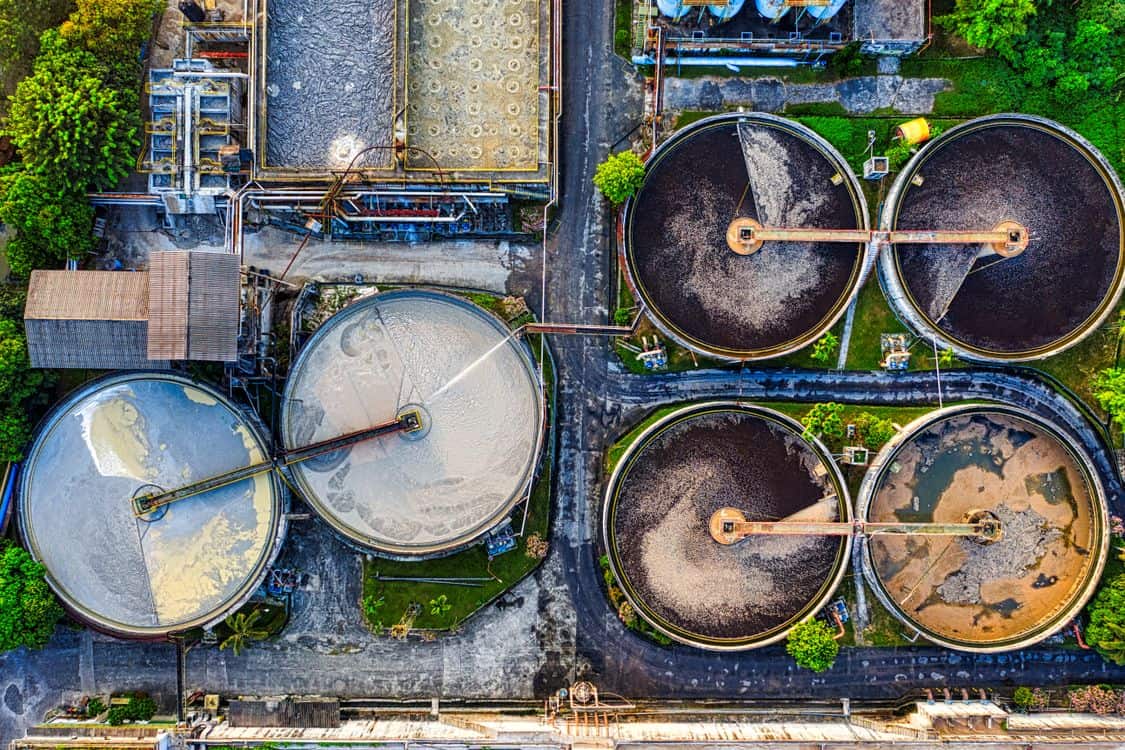
Some of the most demanding corrosion environments on earth are not in chemical plants or offshore platforms. They are in the desalination facilities turning seawater into drinking water along the coastlines of the Middle East, and they are multiplying fast.
That expansion is a steady, often overlooked source of demand for corrosion-resistant stainless, because seawater is merciless to the wrong material.
A water crisis is rewriting Gulf infrastructure
The scale of investment is hard to overstate. Saudi Arabia alone has poured roughly $80 billion in new projects into desalination, lifting its capacity toward 8.5 million cubic metres per day and making it the world’s largest producer of desalinated water.
It is not alone. The UAE, Kuwait, Bahrain, and others are on track to more than double their desalinated water production by the end of the decade as freshwater scarcity bites.
Each of those plants is a dense assembly of pumps, piping, pressure vessels, heat exchangers, and structural supports, much of it in contact with seawater or hot brine. That is a corrosion problem first and an engineering problem second.
The material chosen for those components is what stands between a plant and premature failure in one of the harshest service environments going.
Why molybdenum changes the equation
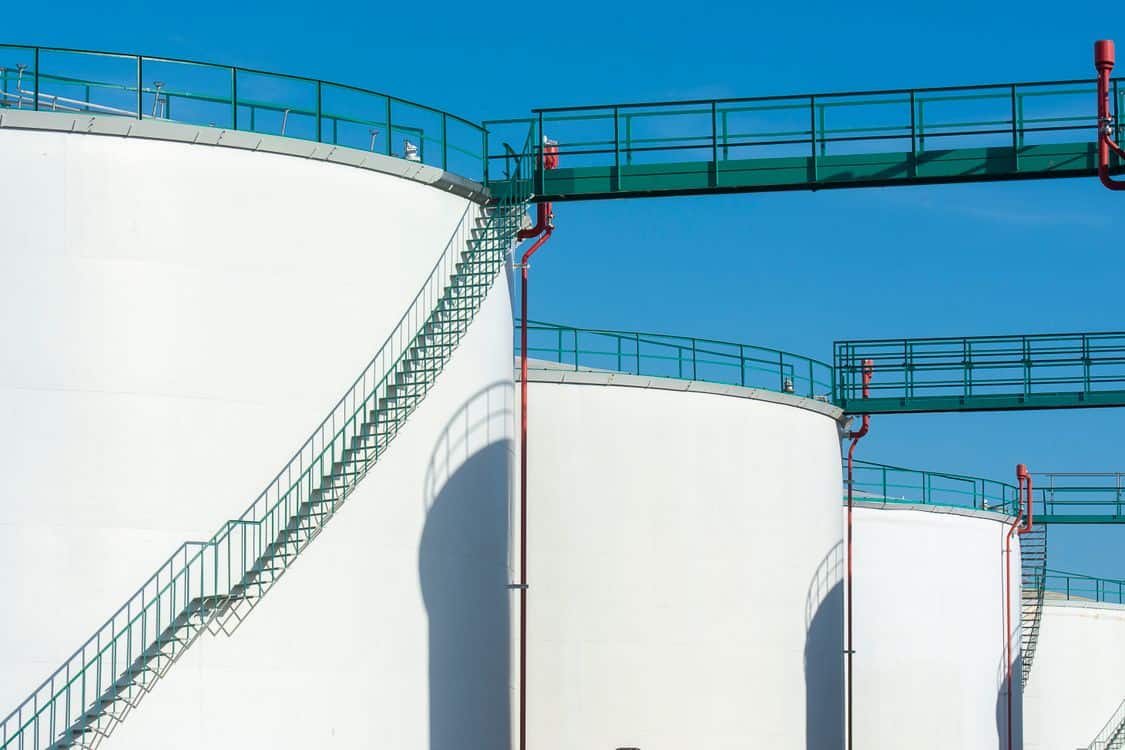
Standard austenitic stainless handles a lot of environments well, but high-chloride seawater is where it starts to struggle with pitting and crevice corrosion. The fix is molybdenum.
Adding two to three percent molybdenum to an 18-8 austenitic base sharply improves resistance to chloride attack. That single change is what separates the marine-and-chemical grade from the general-purpose one.
This is the role a 316 stainless steel plate plays across a desalination facility. Its molybdenum content makes it the workhorse for the many seawater-wetted and splash-zone components where general-purpose stainless would pit and fail.
There are limits, and good engineers respect them. The hottest, most concentrated brine streams often push past what a standard molybdenum-bearing grade can handle, and those sections step up to duplex or super-austenitic alloys.
But across the broader plant, the molybdenum-alloyed grade hits the balance of corrosion resistance, availability, and cost that keeps a project buildable.
What the trend means for stainless buyers
For anyone supplying stainless plate, the desalination wave is a reminder that some of the strongest demand sits in unglamorous infrastructure rather than headline industries.
Water security has become a national-strategy issue across the Gulf, which means these projects carry political momentum and long planning horizons. That makes the demand more durable than a typical construction cycle.
It also rewards suppliers who understand the application. A desalination buyer is not just looking for a grade name on a certificate. They are looking for consistent corrosion performance, reliable documentation, and material that will survive decades in seawater service.
The geography is widening, too. Water scarcity is pushing large desalination projects into North Africa and beyond, spreading the same materials demand across new markets.
The Gulf turned to the sea for its drinking water out of necessity, and corrosion-resistant stainless is one of the quiet reasons that strategy holds together. As the rest of a thirsty world follows, the demand for molybdenum-bearing plate is likely to follow with it.