
Anyone pricing a steel-framed building this year has noticed the same thing: the number on the quote keeps moving up. The 2026 round of tariffs on imported steel, aluminum, and copper has pushed raw material costs into territory general contractors haven’t budgeted for since the early pandemic years. The ripple effects are landing hardest on projects that were already penciled tight.
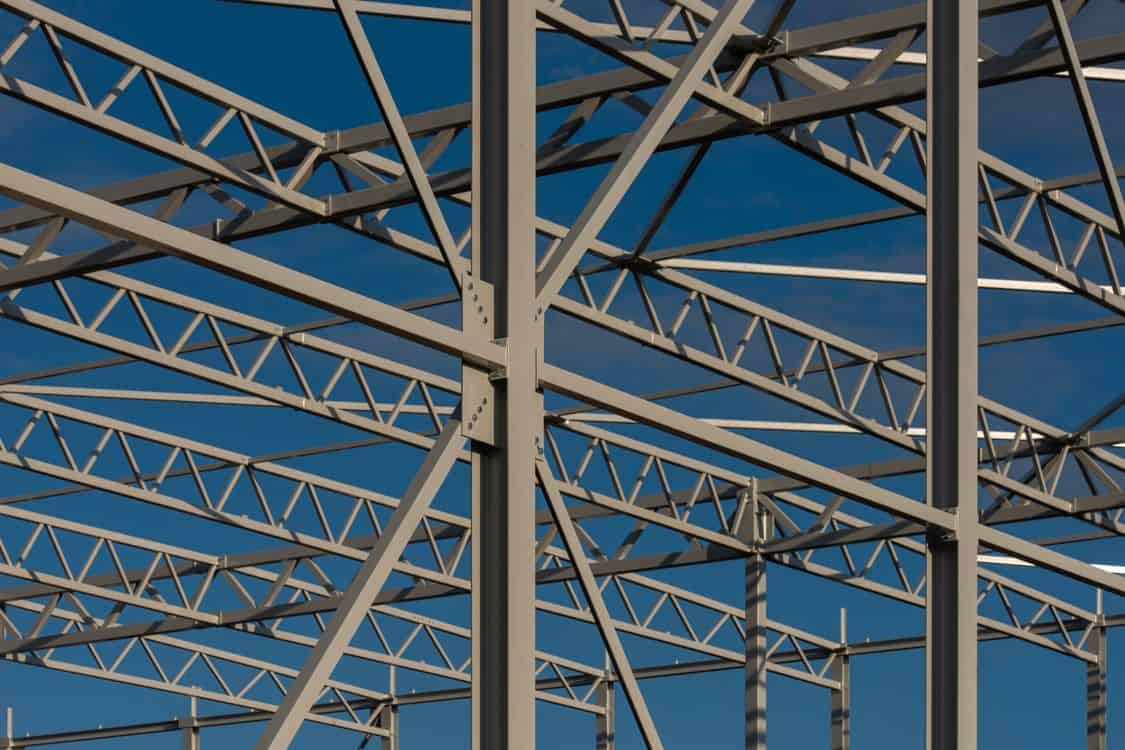
The pain isn’t evenly distributed. Residential builders have absorbed some of the shock by substituting materials or delaying non-structural finishes. Industrial and commercial builders don’t get that option. Columns, beams, trusses, and bracing are load-bearing, and there’s no cheaper substitute for structural steel when the design calls for a 60-foot clear span or a crane-rated frame.
The housing sector numbers tell the bigger story
A Brookings Institution estimate cited by construction industry analysts puts a hard figure on the damage. The tariffs could add roughly $17,500 per new home, once steel, aluminum, and copper pricing work through a typical build. That number comes from residential construction, but it’s a useful proxy for the industrial side, where steel is a much larger share of total material cost per square foot.
For a warehouse, a multi-story industrial frame, or an equipment platform, the steel line item is often the single largest cost on the estimate. Move that line 15 to 20 percent in a matter of months and a budget that looked comfortable in January can look underfunded by summer.
Owners and general contractors have responded by locking in mill orders earlier, sometimes before final structural drawings are even complete. That’s new. Fabrication timelines used to allow for late-stage design changes without blowing the material budget. Now they don’t.
Fabrication coordination becomes a cost lever
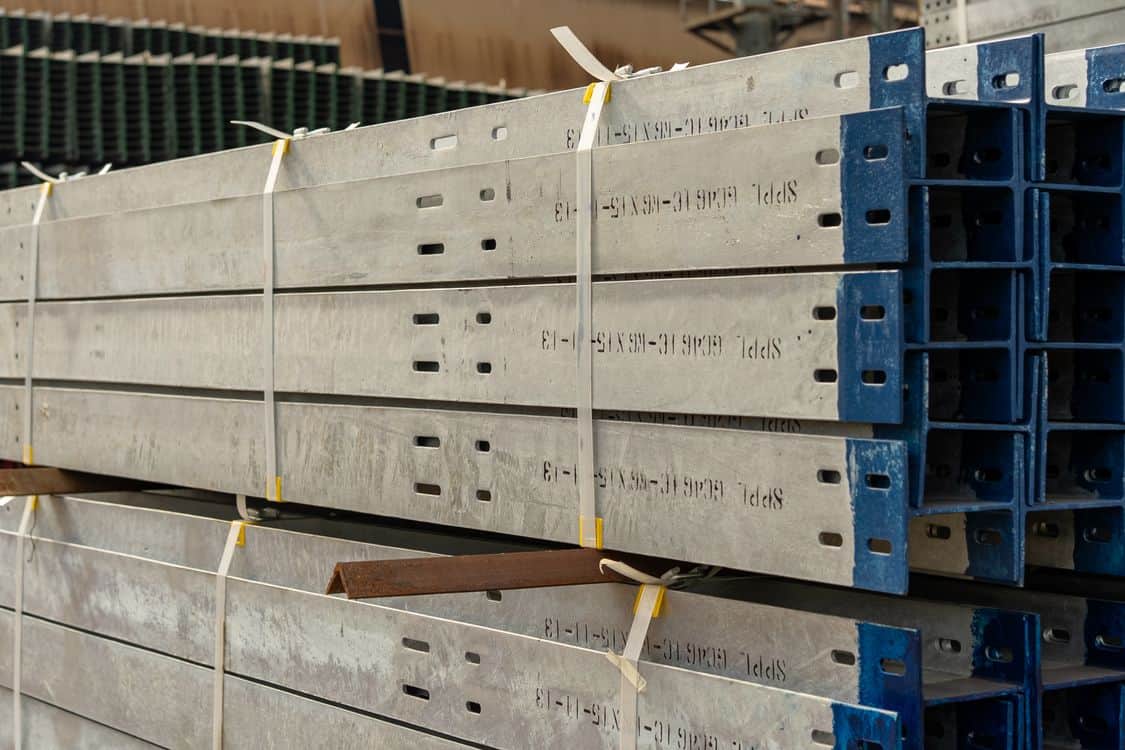
Raw material pricing is out of anyone’s control right now, so the parts of the process that remain controllable are getting more attention: connection design, fabrication sequencing, how much of the assembly work happens in the shop versus the field.
Bolted connections, torsion-shear high-strength bolts, and pre-fit trial assemblies reduce field labor hours. That matters more when every other line item is inflated. Projects that coordinate fabrication details early, before cutting and drilling begin, tend to avoid the rework that used to be a rounding error and is now a real budget risk.
Surface treatment decisions matter too. Galvanizing costs more upfront but extends service life in exposed industrial environments, and with prices this volatile, owners are paying for durability now rather than risk a full material re-order in a decade.
Long-span and multi-story projects feel it more
Sports facilities, aircraft hangars, distribution centers. These lean on larger, heavier structural members where the tonnage adds up fast. A truss system or space-frame roof spanning a clear 100 feet uses substantially more steel per square foot than a conventional column-and-beam layout, so tariff-driven price increases hit those designs harder.
Multi-story industrial frames carry a related but different pressure. Vertical load transfer through H-sections and box columns compounds the tonnage question with height. A four-story frame doesn’t just need more steel than a single-story building of the same footprint; it needs steel rated for cumulative loads, which usually means higher-grade material at a higher price per ton.
Engineers coordinating overseas projects have flagged another wrinkle. Sourcing decisions now carry real financial consequences they didn’t two years ago. A project team weighing domestic versus imported structural steel has to run the tariff math alongside the usual lead-time and quality considerations, and the answer isn’t always what it would have been in 2024.
None of this resolves quickly. Trade policy moves on political timelines, not construction timelines, and most industry forecasts through 2027 assume elevated steel pricing as the new baseline. Lock in pricing early, coordinate fabrication details before cutting starts, and budget for a material line item that behaves less predictably than it used to.
The old model of industrial steel procurement assumed a fairly stable window between design finalization and mill order. Contractors could wait for structural drawings to firm up, collect competitive bids from several fabricators, and place orders with a reasonable expectation that pricing wouldn’t move much in the interim. Not anymore. Project teams that wait for full design certainty before locking in steel pricing are betting the market won’t move against them, and this year that’s been a bad bet more often than not.
Some general contractors have started building tariff-contingency line items directly into early-stage budgets, a practice that was rare before 2025. Owners feel this shift too, particularly on design-build projects where the contractor absorbs some of the material price risk. Contracts that used to lock in a guaranteed maximum price early in design are increasingly including escalation clauses tied to steel and metals indices, a hedge that protects contractors but shifts schedule pressure onto owners.
For years, sourcing decisions on structural steel were driven mostly by lead time and price, domestic and imported material treated as reasonably interchangeable depending on which was cheaper that quarter. Tariff policy reintroduced a variable that hadn’t mattered much in over a decade: country of origin as a direct cost driver, independent of quality or lead time. A supplier relationship that made sense in 2023 might not pencil out the same way in 2026, purely because of where the raw material originates.