
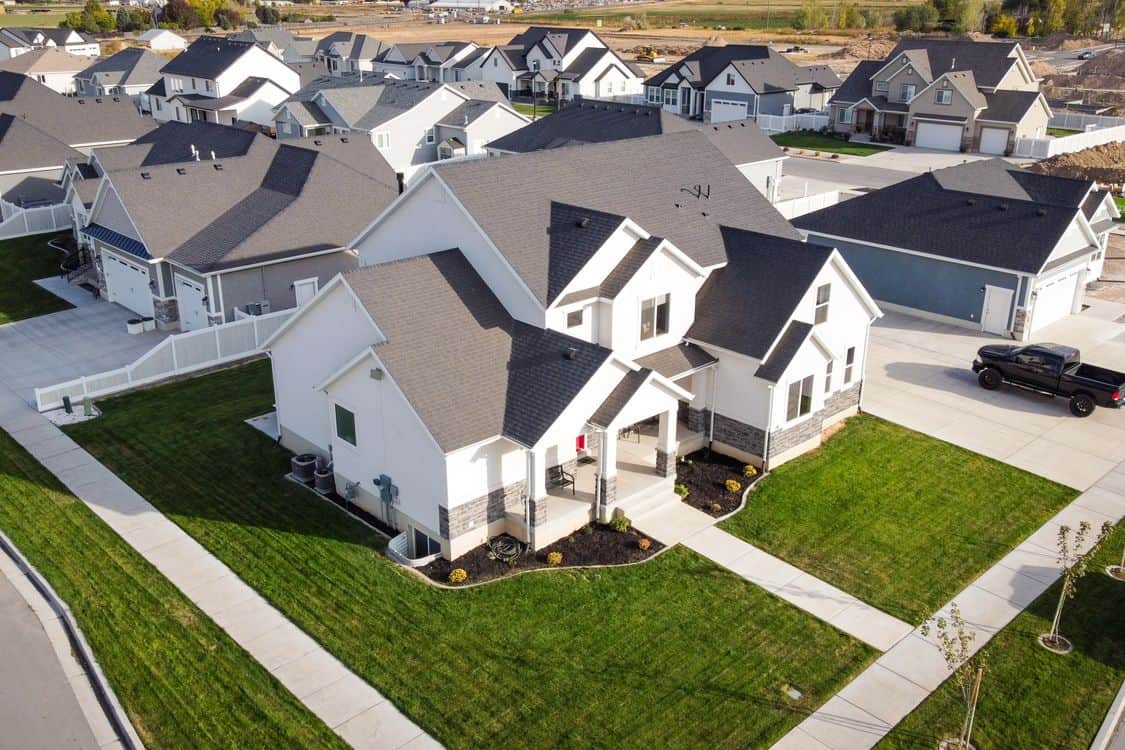
Every spring, hail rolls through Central Texas and, within days, unfamiliar trucks show up in neighborhoods across Austin, Round Rock, and the surrounding suburbs. Crews knock on doors offering “free inspections” and same-week repairs. Homeowners rarely get a chance to ask where the company is actually based before a contract lands on the hood of a car.
Some of these crews are legitimate businesses expanding temporarily into a hail-affected market. Others exist for one purpose: collect insurance-backed deposits in a damaged neighborhood, do minimal or substandard work, and leave before anyone can follow up. That’s hard to tell in the moment, and the difficulty is exactly what the industry term “storm chaser” describes.
That gap shows up again and again in consumer complaints filed after major storms. Roofing is one of the few trades where a contractor can operate for weeks with no fixed local address, no permanent phone number, and no way for a customer to find them again once the check clears.
Texas lawmakers tried to close part of that gap in 2025. House Bill 3344 would have created a state licensing system for reroofing contractors, requiring applicants to disclose a residential or business address and list that contact information directly in written contracts. The bill died in committee before reaching a floor vote. Texas still has no dedicated statewide license for roofers.
The Legal Gap That Lets Unregistered Crews Work Neighborhoods for Weeks
Without a statewide licensing requirement, roofing remains one of the least regulated major home-repair trades in Texas. Cities can require permits for the work itself, but nothing stops a two-person crew from another state setting up in a parking lot and canvassing a hail-damaged subdivision.
Storm-chaser complaints often follow a recognizable pattern: quick solicitation after a storm, pressure to sign, a large deposit, and difficulty reaching the contractor later. That pattern is why consumer agencies urge homeowners to verify a business before paying.
By the time a shingle fails or a flashing detail leaks months later, the phone number on the invoice is disconnected. No local office to visit. No way to confirm the business ever had one.
HB 3344’s failure left the current vetting system unchanged. Until Texas adopts a roofing-specific licensing framework, homeowners have to verify several separate business and contractor signals themselves.
Roofing isn’t entirely unregulated in Texas, to be fair. Building codes still require permits for reroofing work in most municipalities, and permit records can offer homeowners a partial paper trail. But a permit confirms that paperwork was filed for a job, not that the company pulling it has any lasting connection to the community where the work is being done.
Why State Officials Keep Pointing Back to the Same Basic Checks
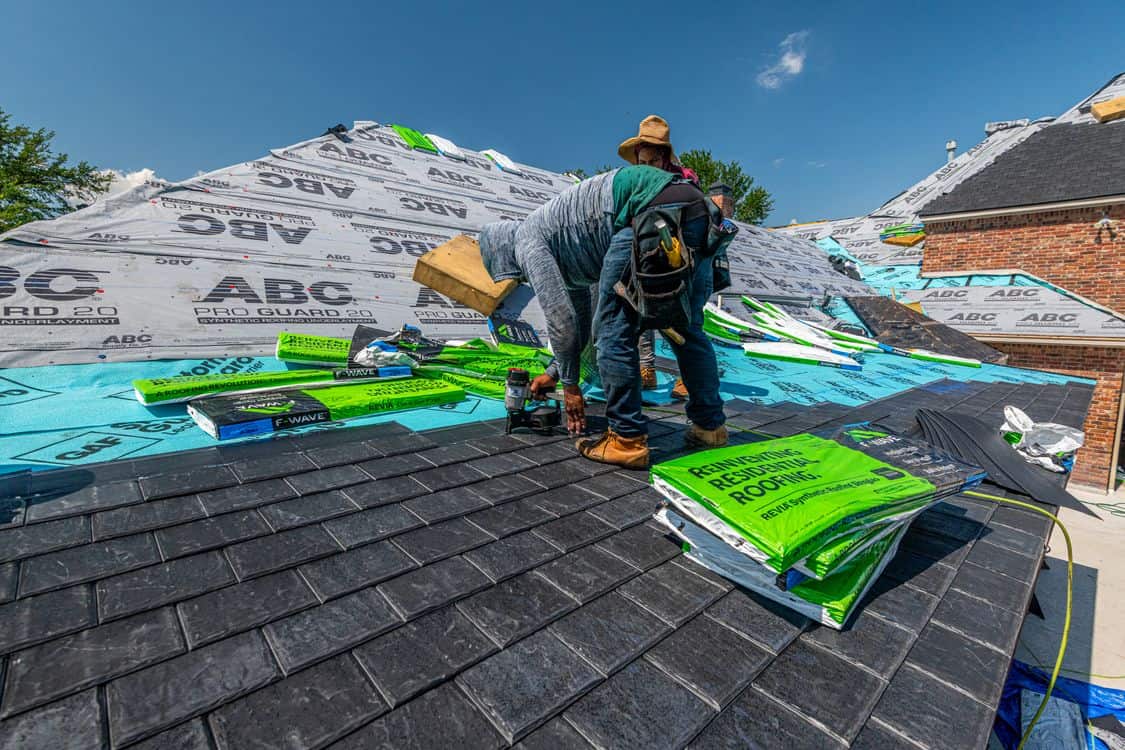
The Better Business Bureau’s Texas chapters have issued the same warning after nearly every major storm event in recent memory, urging residents to slow down before signing repair contracts. The advisories tend to follow damage geographically, appearing within days of whichever region just got hit.
One instruction shows up in nearly every version of that advice. After Central Texas severe weather, the BBB has specifically warned residents to be wary of unfamiliar contractors going door to door, since itinerant crews are harder to hold accountable once storm season ends and they’ve moved on to the next market.
Central Texas hail events can attract traveling crews alongside established local companies, which is why the same post-storm vetting advice remains relevant in Austin-area neighborhoods.
The Attorney General’s office flags a related issue. Texas price-gouging law bars vendors from charging excessive prices for essential repairs after a governor’s disaster declaration, but that protection only works if a homeowner can identify who they contracted with in the first place.
Post-storm complaints often involve pressure to sign quickly, deposits paid before a company is fully vetted, and difficulty resolving problems later. Clear contracts and independently verified business information reduce that risk.
The Verification Steps Homeowners Are Adding to Their Process
Before signing a roofing contract, homeowners can confirm the company’s legal business identity, physical contact information, insurance, local history, and references. A fixed local presence is useful, but it should be verified through records rather than judged from one piece of contact information. An established Austin roofing company should have business information that can be independently cross-checked after a storm, not just a temporary phone number and sales pitch.
A local landline is not a meaningful modern requirement by itself. Many legitimate contractors use mobile or cloud-based phone systems. More useful checks are whether the business name, address, insurance, permits, and references can be independently verified.
The pressure to vet quickly is highest after a storm, which is exactly when homeowners benefit from slowing down long enough to confirm those basic details.
None of this eliminates risk entirely, and Central Texas will keep drawing storm-chasing crews as long as hail keeps falling on a region that adds rooftops every year. Homeowners who verify a fixed, longstanding local presence before signing anything are doing, informally, what HB 3344 tried and failed to make mandatory.