
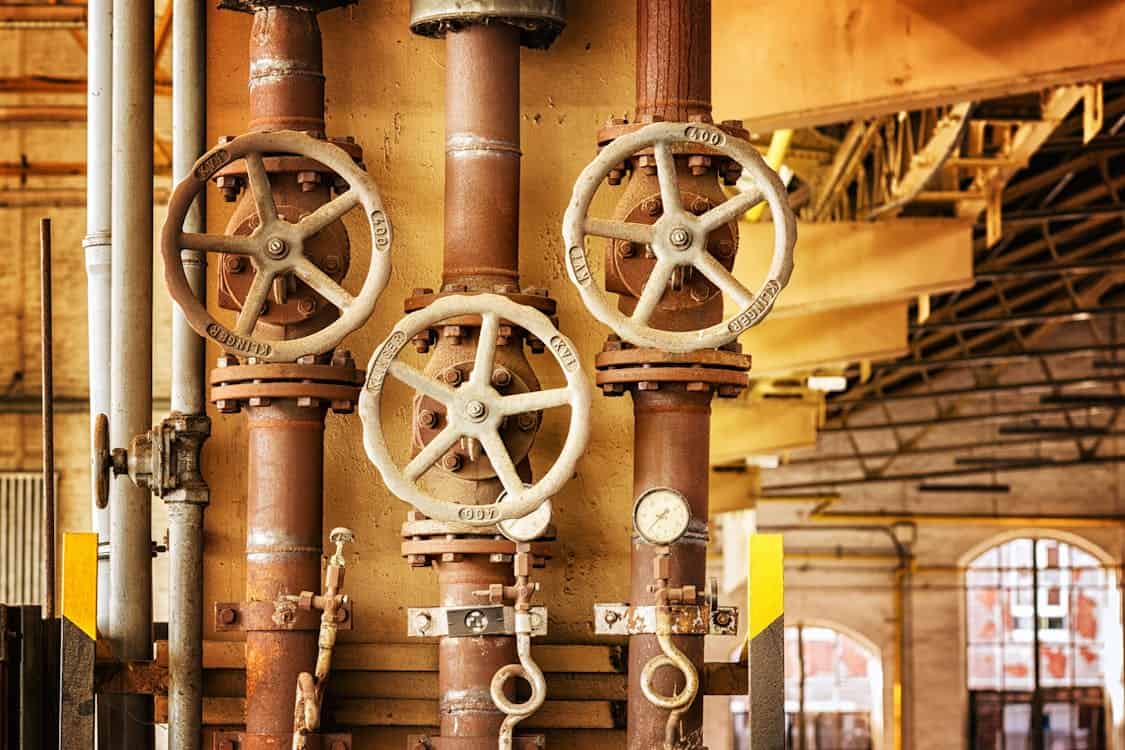
High pressure fluid lines carry energy and mass that demand respect and careful planning to avoid mishaps and downtime. A pragmatic blend of sound design choices, routine checks, and trained personnel will keep systems running and reduce the chance of ugly surprises, because better safe than sorry is not just a saying in this field.
The balance between engineering thinking and hands on practice helps teams spot weak points before they become failures, with attention given to small signals that often precede larger events.
Risk Assessment And System Design
Begin by mapping the full system and identifying where pressure peaks and transients could stress pipe walls or fittings, then use simulation and field data to guide layout choices. Account for the worst credible events such as pump deadhead overpressure and water hammer and size components with a margin that reflects expected loads and occasional abuse.
Think in layers so that no single point of failure kicks the whole system into a hazardous state, and use conservative assumptions when life and property hang in the balance. Early involvement of operators with design teams reduces surprises when the system moves from drawing board to real world operation.
Material Selection And Compatibility
Select tubing valves seals and fasteners that match the fluid chemistry temperature and pressure range over the full service life rather than just at startup.
Corrosion fatigue and stress corrosion cracking can sneak up on equipment if material choices ignore contaminants additives or unexpected pressure cycles, so choose alloys and coatings that have proven field performance in similar service.
Keep spare parts commonality in mind to avoid emergency substitutions that degrade safety margins, and document material traceability so failure analysis can go faster if something goes wrong. Small mismatches in compatibility may look harmless at first but can shorten life and raise the chance of a leak.
Pressure Ratings And Safety Margins
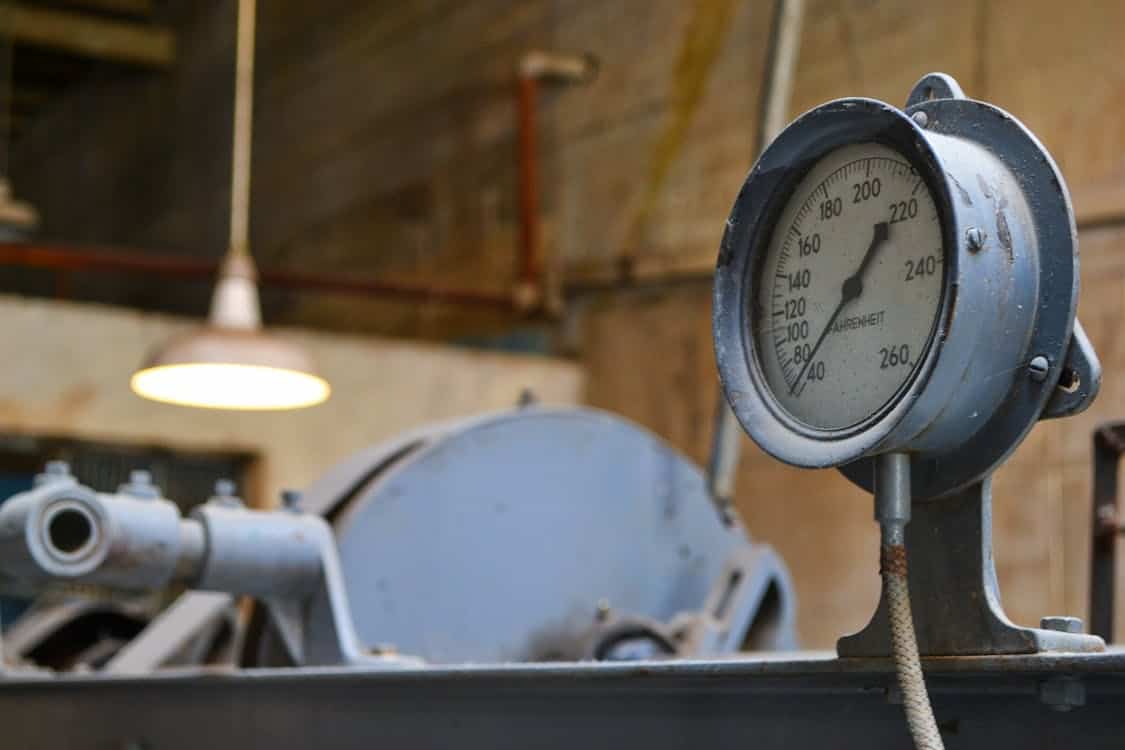
Define a clear design pressure rating for each assembly and apply a safety factor that matches the consequence level of a failure, with higher factors for areas near personnel or critical equipment. Pressure relief devices must be sized set and routed to discharge safely away from work areas and sensitive instruments while being tested on a schedule that is driven by real duty cycles.
Avoid running equipment continuously near its maximum allowed pressure because fatigue life collapses faster under high mean stress and frequent cycles. Use conservative set points and conservative activation criteria for alarms so that operators get time to react before a component becomes overstressed.
Installation And Routing Practices
Pipe runs and hoses should be routed to reduce unsupported spans abrupt bends and the risk of mechanical impact from nearby equipment, and supports must match thermal and vibrational realities.
Avoid sharp turns and tight bends that increase localized stress and erosion, and plan access for inspection with valves and gauges facing the people who will use them most often. Using a properly rated stainless steel flange at key connection points helps prevent leaks and ensures long-term joint integrity under pressure.
Use proper flange bolt patterns torque sequences and thread locking where required to prevent slow leaks that are hard to detect but easy to ignore. Treat installation as a living document that gets updated when a field tweak alters stresses or inspection access.
Inspection And Predictive Maintenance
Create an inspection plan that mixes visual checks non destructive testing and sensor based trend analysis so problems are caught in the infancy stage rather than at failure time. Techniques such as ultrasonic wall thickness checks acoustic emission monitoring and infrared thermography reveal different classes of degradation and work best when results are trended against earlier baselines.
Schedule intrusive maintenance only when data show a real need and keep records that tie observed wear patterns to operating history, since correlation makes future predictions sharper. A strategy that blends routine audits with condition based actions saves resources while keeping margins intact.
Leak Detection And Monitoring Systems
Install continuous monitoring for pressure flow and differential signals that can show tiny changes long before a large leak develops, and place sensors where they will pick up the first sign of change. Modern analytics that watch for pattern shifts rather than threshold crossings reduce false alarms and help staff focus on the anomalies that merit attention.
Combine fixed detectors with portable sniffers during planned walk down so static coverage and human judgement work together in the field. Make alarm logic clear so that alerts come with recommended first steps and contact points, keeping panic out of the response.
Training Procedures And Human Factors
Invest in training that builds muscle memory for shutdown sequences trouble shooting and safe isolation practices, and run realistic drills that include pressure loss and small leak scenarios. Human errors drive a large share of incidents, so make controls intuitive label critical valves plainly and reduce the number of actions required to secure a line.
Encourage a culture where operators flag near misses without blame so the team learns and adapts the playbook quickly, and reward reports that lead to safer procedures or retrofits. Clear checklists and step by step guides for uncommon tasks cut the chances that someone improvises under stress.
Emergency Response And Containment Plans
Plan for the moment a line gives up by placing containment berms over high risk zones and by training crews on emergency valve closure and safe venting techniques. Design safe paths for escape and for moving equipment away from release points, and stage spill kits and neutralizing agents where they can be grabbed in seconds.
Coordinate with local emergency services and run joint exercises so outside responders know the site layout and the hazards they may face. A calm practiced reaction reduces escalation and keeps the event from becoming a headline.
Documentation And Regulatory Compliance
Keep a living file for each section of piping that holds design records test certificates inspection reports and tube end to end traceability so failure investigation and audits move quickly. Follow applicable codes and standards that define minimum pressure vessel and piping requirements along with accepted inspection intervals and testing methods.
Record changes to the system as soon as they happen and make those records easy for operators auditors and engineers to find when a question pops up. Good paperwork is not paperwork for its own sake; it is the map that helps teams replicate safe outcomes and learn from the times they did not.