

Hair loss and thinning affect a wide range of people, and topical sprays are one common tool people try to add to their routine. These products aim to target the scalp environment and the hair shaft in ways that can promote fuller looking hair or support follicle activity.
The aim is both cosmetic and biological in many formulations so results can be visible at different levels. A sensible approach pairs realistic expectations with steady, correct use to gauge whether a spray helps a given hair type.
How Sprays Reach The Scalp
Sprays use a fine mist to place active molecules close to the scalp and around follicles, which helps with even coverage on larger surfaces. The mist format reduces pooling and leaves less residue than heavier creams, making it easier to apply to thin areas without weighing hair down.
Many formulations include solvents that improve wetting so compounds sit where they are needed rather than beaded on top of the skin. This delivery style suits people who prefer a light touch and want targeted placement on sparse zones.
Active Ingredients And Their Actions
Some sprays contain proven vasodilators that increase microcirculation next to follicles and can stimulate a greater proportion of hairs to enter a growth phase. Others add peptides or botanical extracts thought to signal or nourish the follicle environment so cells can function more actively.
This is where claims around targeted support come in, as HaloGrow Hair Growth Spray increases blood circulation to hair follicles, helping deliver oxygen and nutrients that active follicles rely on to produce stronger strands.
Certain sprays focus on building thicker shafts by depositing film forming agents that expand each hair fiber slightly for an immediate fuller look. A blend of approaches is common since thin hair often benefits from both short term optical thickening and longer term biological support.
Enhancing Absorption And Delivery
Formulators often add penetration helpers that transiently loosen the outer barrier of the skin so actives reach deeper layers where follicles live. Small molecule actives travel more readily, while larger complexes rely on carrier ingredients or mechanical assistance such as gentle massage to move in.
The timing of application relative to washing and the state of the scalp barrier affect how well a spray is taken up. Frequent, consistent use usually increases cumulative exposure and therefore the chance of a meaningful change over several weeks.
Effects On Hair Follicle Activity
A follicle cycles through growth, regression, and rest phases, and sprays attempt to nudge the balance toward longer growth phases so more hairs are present at once. Some compounds alter local signaling to reduce miniaturization that turns thick hair into fine filaments, so the diameter of fibers can remain greater.
Other actives shorten the resting stage so new strands appear sooner, which can boost visible density when enough follicles are competent to respond. Genetic forms of thinning may show a slower or partial response compared with diffuse shedding that often recovers more readily.
Cosmetic Thickening Versus Regrowth
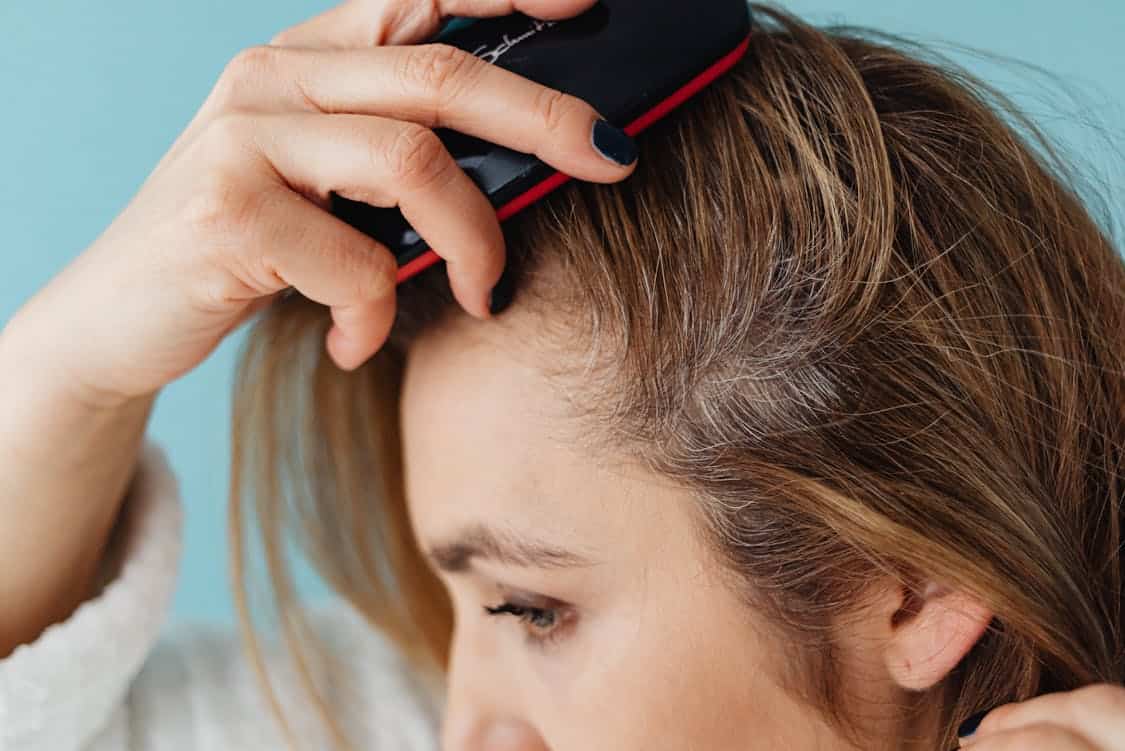
Not all improvement is true regrowth of a lost follicle and viewers often see a mix of both cosmetic and biological changes when a spray helps. Film formers and polymers coat strands to make them appear wider and to separate fibers so light is scattered differently and fullness is perceived.
Biological gains take longer and require that the follicle retains the ability to make a thicker hair fiber once reactivated. People who want an instant lift and those after a deeper change can pick products that prioritize one outcome or try layered approaches.
Choosing The Right Spray For Thinning Types
Match product claims to the pattern of thinning observed, whether it shows as general thinning across the scalp or as localized recession at the temples or crown.
Look for ingredients supported by clinical trials when the goal is to alter follicle biology, and select light formulas for fragile, fine hair that can be weighed down.
Patch testing on a small scalp region helps detect irritation before committing to daily use. Talking with a clinician about the likely cause of thinning can narrow choices and avoid wasted effort on low probability options.
Proper Application For Better Results
Apply sprays to a clean, dry or towel damp scalp so the active components are not blocked by oils or heavy styling products. Part the hair into sections and mist close to the scalp in layers to ensure coverage rather than saturating a single spot heavily.
Light fingertip massage helps distribute actives and may boost blood flow, which supports delivery to the follicle base. Follow manufacturer timing for leaving a product in place or rinsing if it is not intended for leave on use.
Timeline And What To Expect
Expect visible cosmetic effects within a few hours to days when a spray uses thickening agents, with longer term growth changes emerging over three to six months if a biological effect occurs.
Plateaus are common once the maximal benefit for a given follicle is reached, and continued use often keeps gains in place rather than extending them indefinitely.
Some users cycle products or layer approaches to maintain novelty and address different aspects of thinning. Patience and careful tracking of progress provide clearer sense of whether a chosen spray is worth keeping.
Safety And Side Effects
Topical sprays can irritate sensitive scalps, especially when they contain alcohol based solvents or fragrances, so mild redness or itching may signal the need to stop use.
Active pharmaceutical ingredients can lead to systemic absorption in small amounts, which means monitoring for unexpected symptoms and seeking medical advice if anything worrying turns up.
Scaling back frequency or switching to lower potency formulations often reduces adverse effects while allowing continued benefit for some users. Read product notes, perform spot tests, and keep a record of reactions to make responsible choices.