

Artificial intelligence is reshaping how clinicians and staff approach everyday tasks in hospitals and clinics. The technology can sift through vast pools of data to flag patterns that humans might miss, making routine work faster and more accurate.
Many modern imaging tools also focus on reducing friction in the reading workflow so clinicians can review scans and reports without unnecessary delays or interruptions.
When paired with sound clinical judgment, automated tools help free time for direct patient contact and thoughtful case review. In many settings the change feels like the tip of the iceberg where small shifts lead to much larger gains.
Improving Diagnostic Accuracy
Machine driven analysis can compare images and records at a scale no single person can match, which often leads to earlier and more precise findings. Algorithms trained on diverse sets of cases pick up subtle signals in scans and labs that might escape hurried review, helping clinicians make sharper calls.
That said human oversight remains essential to interpret context and maintain trust in the result. Together the pair of machine and clinician can raise the bar of diagnosis in ways that slow manual review cannot.
Simplifying Administrative Work
Routine paperwork, scheduling and billing create a heavy load that pulls clinicians away from patients and quiet thinking. Automated assistants can handle many of these chores by extracting key facts from notes and routing items where they belong, cutting repeated manual steps.
Staff reclaim hours that then go to direct patient support or process improvement projects that matter. The net effect is lower burnout and smoother day to day flow at the front line.
Enhancing Patient Monitoring
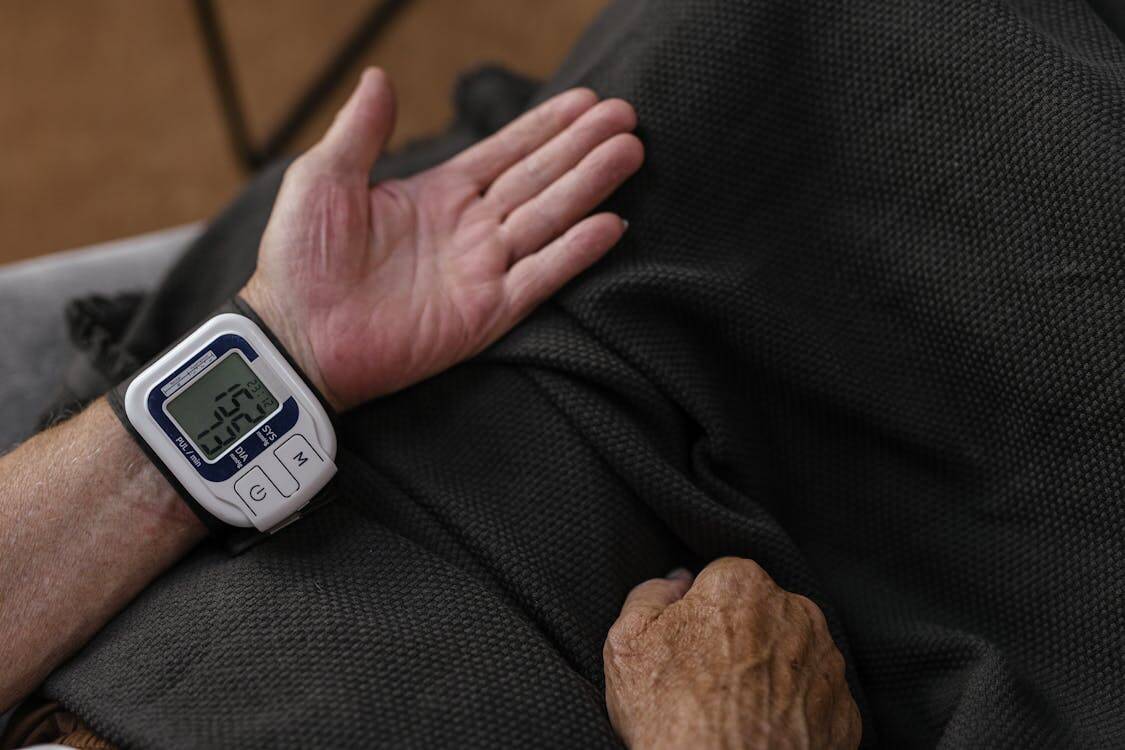
Continuous data from monitors, wearable devices and electronic records forms a stream that grows by the day and keeps a silent watch on vital signs and trends. Systems that spot deviations in real time can prompt earlier checks or interventions, sometimes before symptoms get worse.
Alerts must be tuned to avoid overload, so smart filtering that learns what matters helps teams respond with the right urgency. In practice, automated monitoring acts like an extra set of eyes that never tires.
Supporting Clinical Decision Making
When a clinician faces a tough call, having rapid access to similar past cases and probable outcomes is a powerful aid. Decision support tools can surface relevant studies, dosing suggestions and interaction warnings in the moment the care plan is formed.
This does not replace the clinician but it widens the view and shortens the time needed to reach a confident plan. Used well the tool nudges choices toward safer paths and reduces second guessing after the fact.
Improving Resource Use
Hospitals must juggle beds, staff and supplies while demand ebbs and flows across hours and days, which can be a juggling act without clear signals. Predictive models that learn patterns of use help managers place resources where need looks likely and cut wasteful idle time.
That planning often brings faster admissions and fewer bottlenecks at critical moments like shift changes and seasonal spikes. The result is better service for patients and less frantic scrambling for staff.
Personalizing Treatment Plans
Every patient reacts to therapies in a slightly different way, and a one size approach rarely fits all for chronic conditions or cancer care. Data driven profiles that combine genetics, lifestyle and prior responses help clinicians tailor doses and select treatments that match the person and the disease.
Those tailored plans can reduce trial and error and shorten the road to relief. Patients often notice a clearer path and less unnecessary exposure to side effects.
Reducing Human Error
Fatigue, interruptions and information overload create fertile ground for slips that can harm patients or lead to missed steps. Automated checks act as a safety net by verifying calculations, cross checking medications and reminding teams about key protocols.
Importantly alerts should be practical and timely so staff treat them as helpful nudges rather than noise. This safety layer helps catch problems early and quietly improves the margin for safe care.
Accelerating Research And Development
Clinical trials and observational studies benefit from faster access to cleaned and harmonized data drawn from many settings and many patient types. Tools that search notes, labs and images make cohort finding quicker and open new routes to test hypotheses that used to take months.
Faster iteration lets investigators refine questions and get promising strategies into small test runs sooner. The pace of discovery increases when data moves fluidly from care to research.
Ethics And Regulation
Introducing automated tools into care raises questions about fairness, consent and accountability that must be addressed with clear rules and open dialogue. Governance frameworks that include clinicians, patients and regulators help set standards for data use, explainable outputs and audit trails.
Training teams to spot bias and to ask probing questions about model behavior keeps care guided by human values. When oversight is active and transparent adoption becomes less about technology hype and more about responsible practice.