
A septic system keeps a household running when city sewers are out of reach, yet it often works out of sight and out of mind until something goes wrong. Small signs such as slow drains or soggy ground can point to deeper troubles that demand quick attention.
Knowing common failure modes and basic remedies helps homeowners act early and keep repair bills from ballooning.
1. Clogged Pipes And Drain Lines
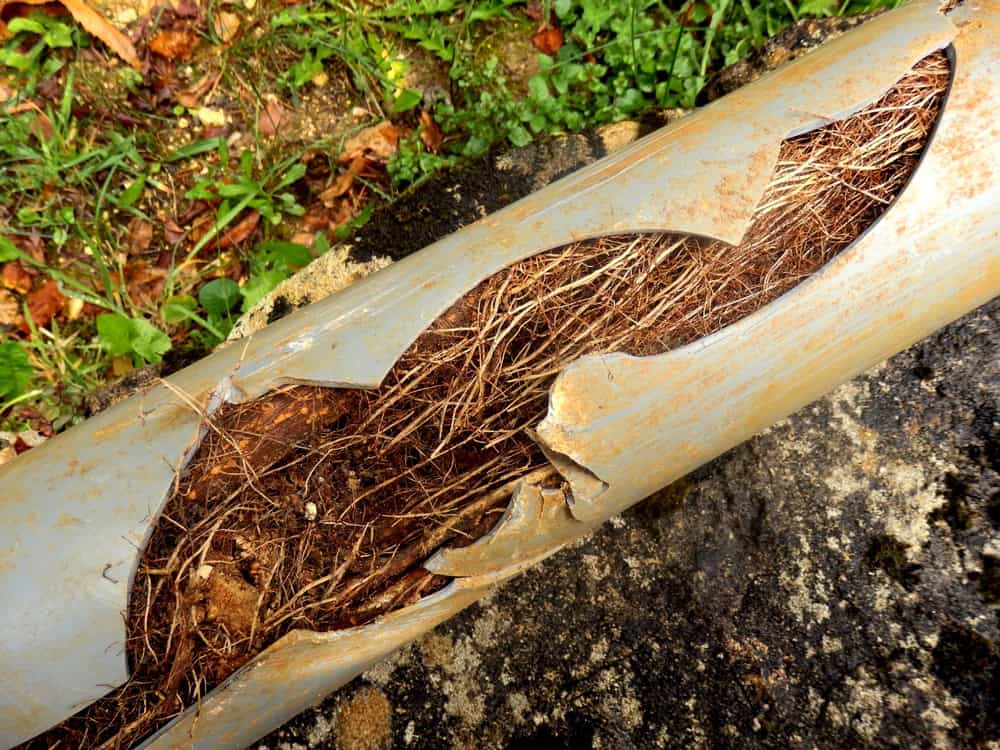
Clogs in pipes and drain lines are one of the most frequent headaches for septic users, and they tend to show up as slow sinks and toilets that rise when another fixture runs. Hair, grease, flushable labeled items that do not break down, and tree roots can all join forces to form a stubborn plug inside the line.
A clog near the house will usually cause multiple fixtures to slow at once, which makes the source easier to narrow down during inspection. A plumber or septic technician can run a camera down the pipe to locate the blockage and decide whether jetting or manual removal is best.
To fix and then limit repeat clogs, start by stopping the flow of problematic solids into the system and use enzyme based products that support natural breakdown of organic matter in the tank.
Mechanical cleaning with a plumber snake or hydro jet will clear a compacted line but take care to protect old clay or brittle pipes from damage.
If tree roots are the culprit, a root cutting and then removal of aggressive trees near the line will reduce future risk. Routine visual checks and occasional professional pipe inspection cut the odds of getting blindsided by a sudden plug.
2. Foul Odors And Gas Build Up
Foul smells around the septic tank, access lids, or drain field signal that gases are escaping or that untreated effluent is surfacing where it should not. Odors can follow a recent heavy rain event, a full tank, or a compromised seal on the lid, with hydrogen sulfide giving that classic rotten egg scent.
People who detect lingering smells should avoid prolonged contact with the area and keep children and pets away until the source is identified. Testing by a professional can reveal leaks, cracks, or venting issues that need correction.
Solving odor problems may be as simple as tightening a loose lid, replacing a damaged gasket, or adding ventilation to the tank riser area to allow gases to escape safely above ground. If odors persist, the tank and lines should be inspected for cracks or broken joints that allow sewage to reach the surface, and repairs should be made promptly.
Introducing beneficial bacteria in measured doses can help reduce organic load and odor generation, but such steps work best when combined with mechanical fixes. Keep landscaping choices simple around the tank and avoid planting over lids or vents where access and airflow are needed.
3. Sewage Backup Into The Home
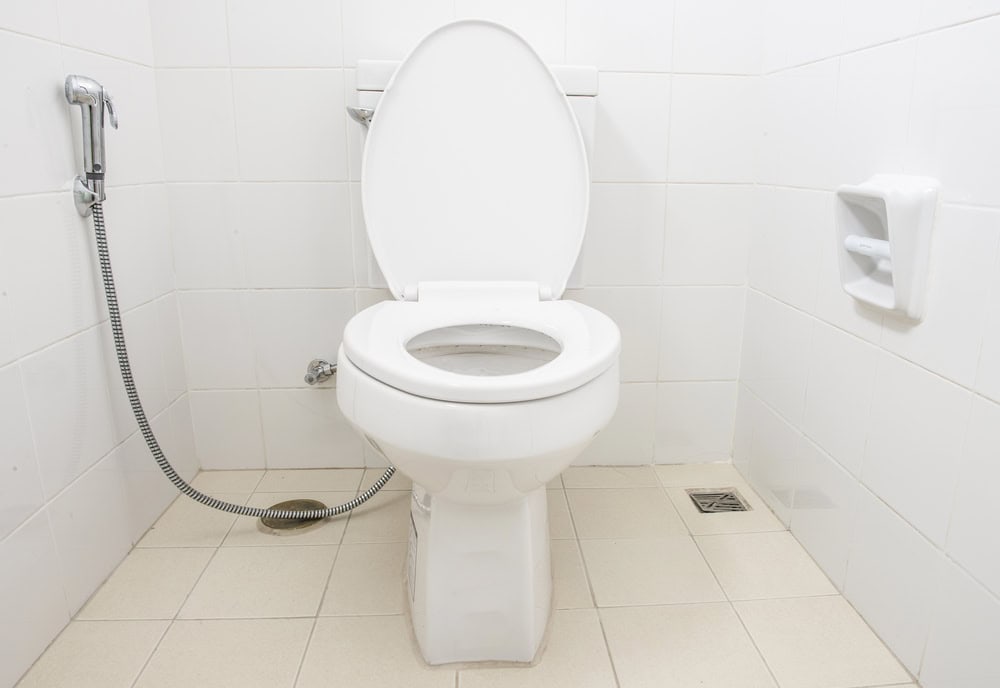
A sewage backup into the home is distressing and can threaten health and structure, with raw waste showing up in toilets or floor drains when the tank or drain field is overwhelmed.
Backups can occur when the tank is full, when lateral lines are blocked, or when a pump station fails to move effluent forward. The immediate response should be to stop using water and to isolate contaminated zones, since spreading contaminated water raises cleanup costs and health risks.
If problems seem more complex than a simple DIY fix, many residents rely on Brisbane wastewater solutions by All Kind Wastewater for expert guidance. Call a septic service promptly so the system can be assessed and the immediate hazard addressed.
Repairing a backup often begins with pumping the tank to remove the overload and then checking baffles, inlet and outlet tees, and any pump components for damage or obstruction. If a pump is present, test the float switches and electrical connections and replace worn parts to restore reliable operation.
Restoring the drain field may require regrading, soil repair, or alternating wastewater flow while the ground heals; heavy use should be avoided while repairs take hold. After cleanup, set a pumping and inspection schedule based on tank size and household use to keep the system running smoothly.
4. Saturated Or Failed Drainfield
When water collects on the lawn above the drain field or the area emits strong sewage aromas, the drain field may be saturated or failing and not accepting effluent properly.
A failing drain field cannot disperse wastewater into the soil for natural treatment, and symptoms include slow drainage from household fixtures and persistently wet, lush patches in the yard.
Heavy vehicle traffic on the drain field, compacted soil, or tree roots can block the flow paths and accelerate decline. Addressing the condition quickly keeps contaminants out of groundwater and reduces long term repair costs.
Repair steps begin with reducing use and having the tank inspected and pumped if needed so the field receives less load while recovery begins. Aeration, trench replacement, or installing a new seepage pit may be required when the soil is clogged or the distribution lines are damaged.
In some cases temporary rerouting of effluent or a resting period for the soil will let biological activity recover and restore absorption. Avoid planting deep rooted trees or building over the field and keep heavy equipment off the surface to prolong the working life of the soil treatment area.
5. Mechanical Failures And Pump Problems
Many modern septic systems include electrical components such as grinders, alarms, and pumps that move effluent to the drain field, and mechanical failure can stop flow or cause erratic operation. Pumps that run continuously may be short cycling on worn floats, while those that do not start at all often have electrical faults or burned out motors.
Alarms exist to warn of high levels, but a silent or ignored alarm can let a manageable problem become an emergency. Routine checks of control panels and listening for unusual sounds are good habits that catch trouble early.
Fixes depend on the fault and may range from replacing a float switch or circuit breaker to swapping the pump for a new unit that meets factory specifications for the tank and flow demands. An electrician or septic technician should handle wiring and motor replacement to comply with safety standards and to reduce the chance of repeat failure.
Installing a higher quality control panel or adding redundancy in critical systems can reduce the odds of a sudden outage at an inconvenient time. Keep a log of service calls and component ages so you can replace parts at sensible intervals rather than facing surprises.