
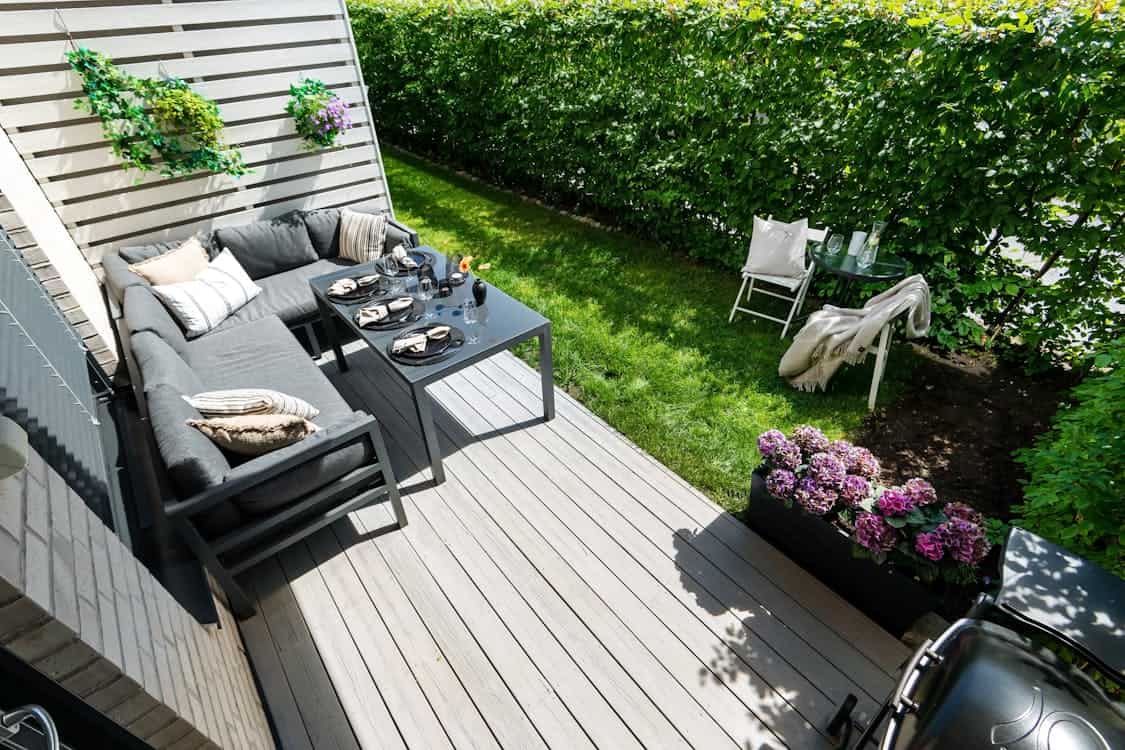
A timber deck can turn a backyard into a favorite hangout and add serious curb value to a property. Picking the right timber affects how long the surface lasts, how much upkeep it requires, and how it looks under sun or rain.
Smart choices up front save time and money down the line while keeping the space safe and pleasant for family and guests. Few home projects reward practical planning quite like a deck that stands the test of seasons.
1. Know Your Climate and Local Conditions
Timber reacts to heat, moisture, salt air and freeze cycles in ways that vary by species and finish, so take local weather into account before buying wood. Coastal zones can speed up decay and corrode metal fasteners, while inland heat can cause boards to cup or split when the wrong species is used.
Think of the deck as part of the local ecology rather than an island; the microclimate under trees or overhangs changes how wood behaves. Checking seasonal patterns and common weather extremes will help you pick material that fights wear instead of inviting it.
Ground contact, proximity to sprinklers and how well the deck sheds water all influence the right choice for joists, posts and decking boards. If salt spray is in the air, choose species and fasteners that tolerate corrosion better than average.
In areas with heavy summer sun, look for timber that resists UV breakdown and holds color longer with minimal fading. A simple site sketch that marks shade, drainage and wind direction will give a clearer picture than guessing on the spur of the moment.
2. Assess Durability and Maintenance Needs
Hardness and natural decay resistance tell part of the story, but maintenance habits finish the picture, so weigh the trade off between raw durability and upkeep. Some woods start out hard and stable, while others need frequent sealing or oiling to stay attractive and safe underfoot.
If you want low fuss, aim for species that naturally resist rot and insect attack and pair them with stainless steel or coated fixings. If you enjoy regular care, a softer, more affordable board may serve well and still look great after periodic attention.
Think about how much time and money you can realistically spend on cleaning, sanding and re coating over the next decade. A well sealed deck that gets routine light care often outperforms a neglected one built from a pricier timber.
Measure twice cut once applies here, because the upfront choice echoes through the life of the deck in maintenance cycles. Match the timber to real life use and your appetite for upkeep.
3. Match Timber Type To Style And Use
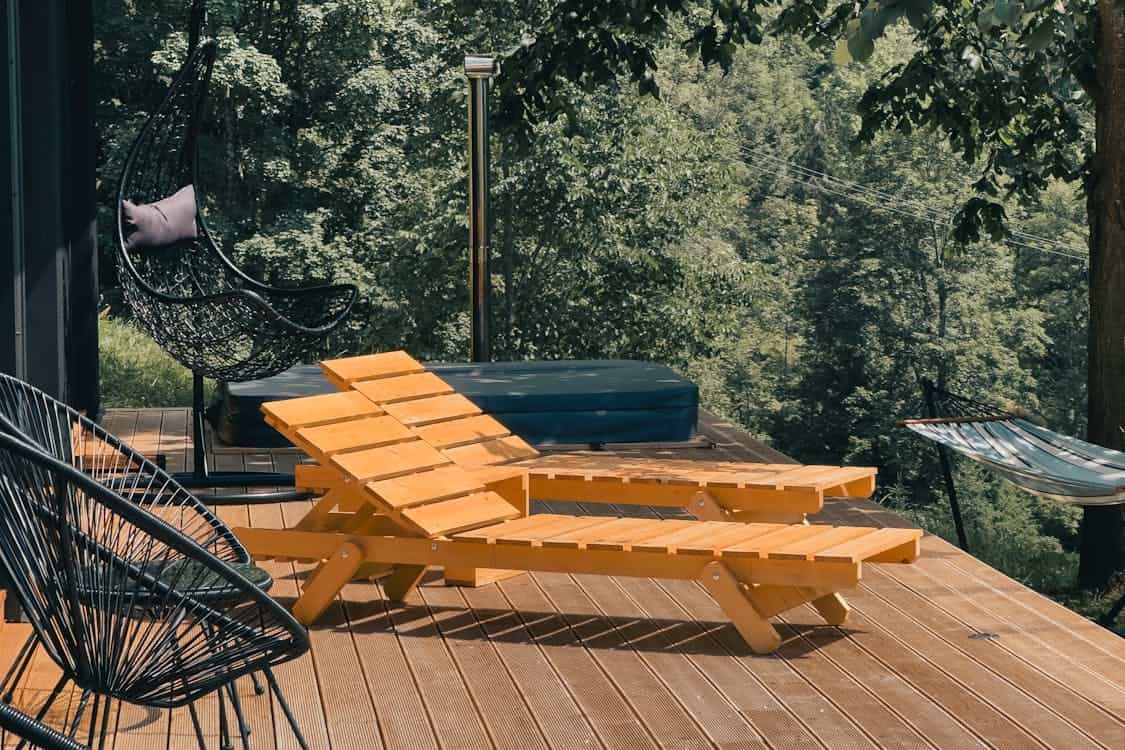
Different projects call for different species and profiles, so match the wood to how the deck will be used and the look you want to achieve. A formal dining area may suit tight grained hardwood with a sleek finish, while a casual entertainment space can perform well with textured boards that hide scuffs.
Consider traffic levels, furniture weight and whether planters or grills are likely to sit on the surface for long periods. Functional needs and visual goals should point in the same direction rather than pull against each other.
Think about how the grain, color and natural aging will fit surrounding architecture and outdoor plants. Some timbers mellow to a silver patina that people love, others keep warmer tones that feel cozy and grounded.
If pets and kids will be running around, choose species that handle wear and are easy to sand smooth. Small choices like board width and spacing also shape how the finished deck performs and looks over time.
4. Source Responsibly And Check Certification
Ask where the timber comes from and whether it has credible chain of custody documentation before handing over cash. Legal harvesting matters to ecosystems and to the long term availability of popular species, and responsible sourcing reduces the chance of surprise bans or supply shocks later.
Look for well known certification labels and probe suppliers about how logs were processed and treated. A clear paper trail is worth more than a pretty sample board on the counter.
Buying locally milled stock can cut delivery time and let you inspect kiln drying and grading in person, which tells you more than a glossy web photo. Arranging reliable timber deliveries in Melbourne can also help ensure your boards arrive properly handled and ready for installation without unnecessary delays.
Small scale suppliers often allow a closer look at how wood is stored and whether boards are prone to warping. Warranty terms and return policies add another layer of protection when you invest in higher value species.
If the seller balks at answering straightforward questions, that alone is a red flag worth heeding.
5. Plan For Longevity With Protective Treatments
Finishes, oils and preservatives extend the life of timber far beyond what raw wood can provide, but the right product depends on species and exposure. Some oils penetrate and nourish the fiber while allowing natural texture to show, while stains and paints form films that block UV and hide imperfections.
Pick a system that you can maintain with frequency you are prepared to commit to, and always follow application guidance for temperature and humidity. The cheapest quick fix rarely outlasts a thoughtful regimen.
Fasteners and hardware matter as much as board choice when it comes to lasting performance, so choose metals that match your exposure conditions and finish choices. Stainless steel and certain coated options resist corrosion in moist or salty environments far better than plain steel.
Keep spare boards and matching finish on hand to make repairs that blend instead of stand out, because a small patch done right keeps a deck looking coherent. A little planning before the first coat pays for itself in fewer headaches and cleaner results.